



Carbolite offers a wide range of annealing furnace and annealing oven solutions, from standard to fully custom designed units. Below you will find suitable products sorted by atmosphere as well as a general introduction.
Please choose air atmosphere, inert atmosphere or vacuum to view a list of suitable annealing furnace and oven solutions:
Annealing with air atmosphere
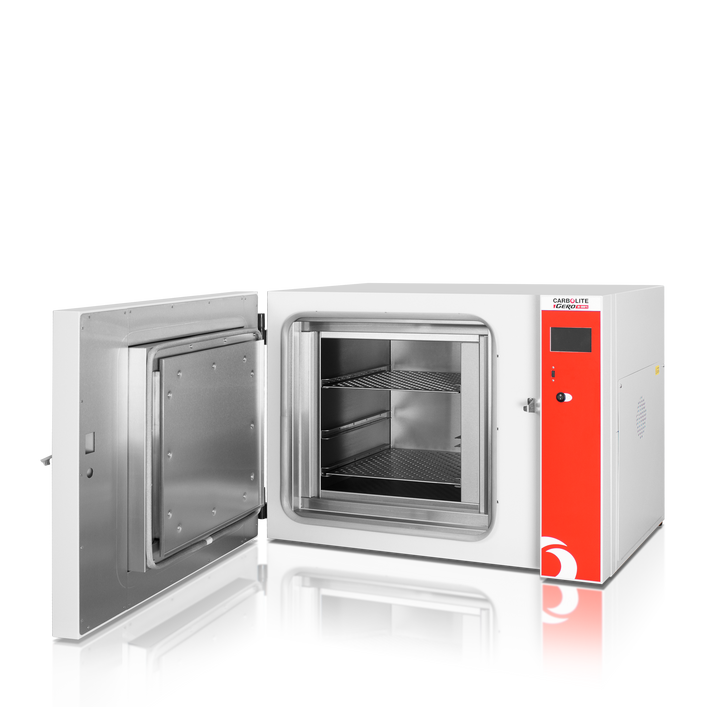
- 600°C - Laboratory Oven - LHT
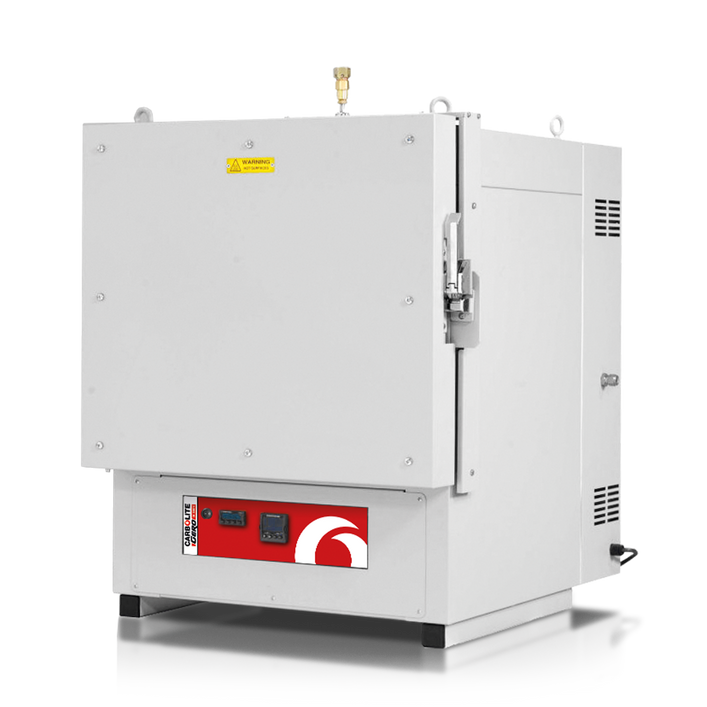
- 700°C - Industrial Oven - HT
- 600°C - Large General Purpose Industrial Oven - LGP
- 750°C -Air Recirculating Oven - HRF
- 1100°C - Laboratory Chamber Furnace - ELF
- 1100°C - Static or Bogie Chamber Furnace - SBCF
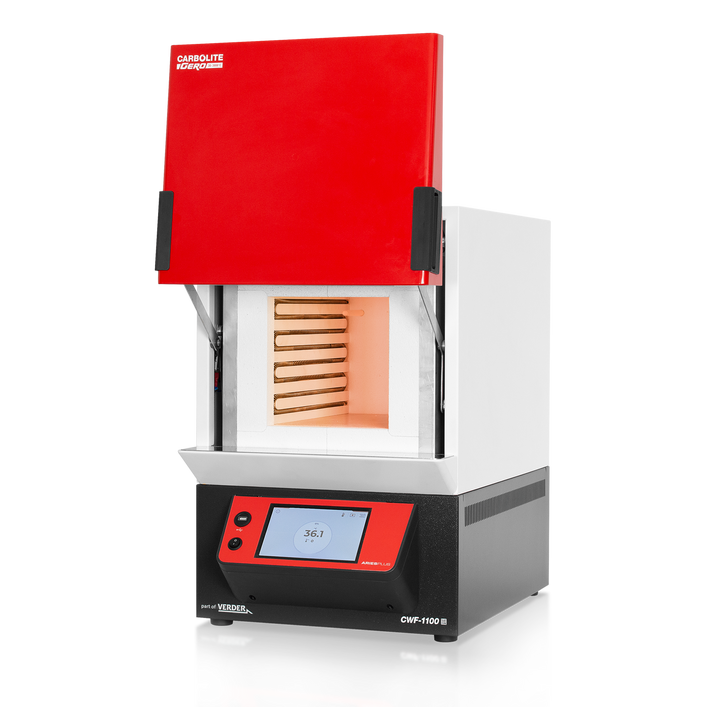
- 1300°C - Laboratory Chamber Furnace - CWF
- 1300°C - Top hat furnace - HB
- 1400°C -Large Industrial Chamber Furnace - LCF
- 1600°C - High Temperature Laboratory Furnace - RHF
- 1800°C - High Temperature Bottom Loading Furnace - BLF
- 1800°C - Top hat furnace - HB
- 1800°C - High Temperature Laboratory Furnace - HTF


Annealing with inert atmosphere
- 600°C - Clean Room Oven - HTCR
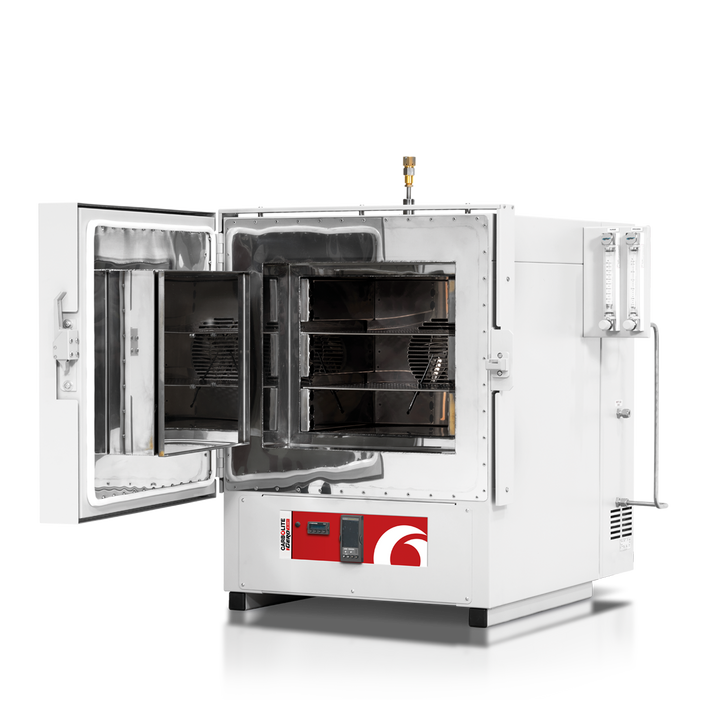
- 700°C - Controlled Atmosphere Oven - HTMA
- 1000°C - Annealing furnace - GLO
- 1100°C -Laboratory Chamber Furnace - CWF
- 1100°C - Top hat furnace - V-L
- 1150°C - Modified Atmosphere Chamber Furnace - GPCMA
- 1200°C - TF Tube Furnace Range
- 1200°C - TS Split Tube Furnace Range
- 1350°C -Tube furnace up to 1350°C - FHA / FHC
- 1600°C - TF Tube Furnace Range
- 1700°C - Split tube furnace up to 1700°C - HTRV-A
- 1800°C - High Temperature Horizontal Tube Furnace - HTRH
- 1800°C - High Temperature Vertical Tube Furnace - HTRV
- 2200°C - Chamber furnace, metal insulation - HTK
- 2200°C - Vacuum Laboratory Furnaces - LHT
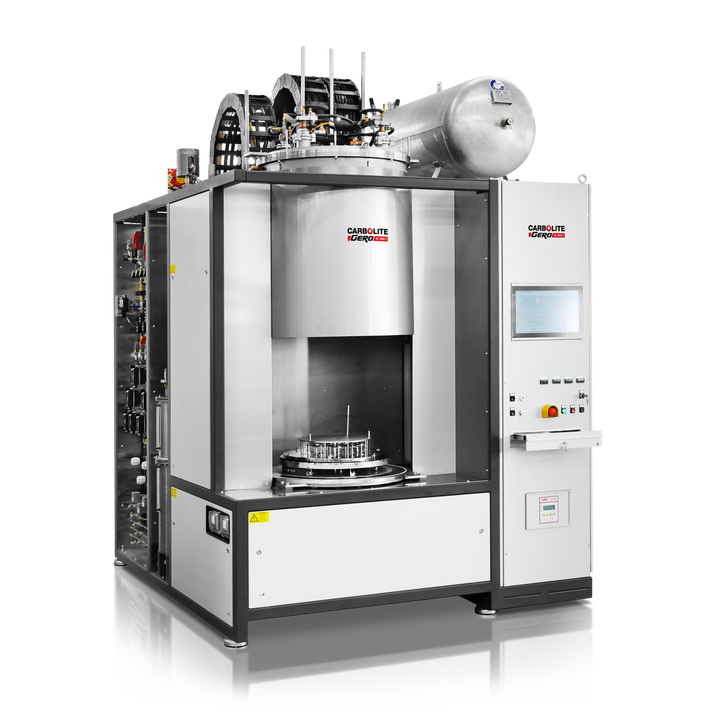
- 2200°C - Top hat furnace - HBO






Annealing furnaces & ovens - FAQ
What is the benefit of annealing metal in an annealing furnace or oven?
In an annealing furnace or oven, the heat treatment process makes hard, brittle metals softer and more ductile, which in turns makes them easier to work and form. This is especially beneficial for manufacturers as there is less risk of fracturing when the material is being bent or pressed.
At what point in a metalworking process should an annealing furnace or oven be used?
Depending on the metal and the desired result, heat treatment processes can vary, however, annealing is usually one of the earliest steps as it prepares the metal to be worked by increasing ductility. Once it has been formed into the desired shape, it may then be “hardened” then “tempered” to increase its strength and flexibility. Cold-worked metal can be annealed several times to relieve stresses and reduce the risk of material failure.
What industries make use of heat treatment via annealing?
Steel manufacturers, metalworkers, and jewellers all use annealing heat treatment to make the metals that they work with easier to manipulate, due to the reduction in dislocations and internal stresses. Annealing typically reduces the yield strength of the metal, therefore the material is usually subjected to a quenching and/or tempering process to restore any lost strength.
At what temperature should an annealing furnace or oven be used?
Precise annealing temperatures are dependent on the metal. The material will take on different properties depending on the temperature at which it is annealed, therefore the correct annealing temperature is defined by the desired properties. Both ferrous and non-ferrous metals can be annealed at a range of temperatures, provided these are below their respective melting points, and should be allowed to cool slowly in air.